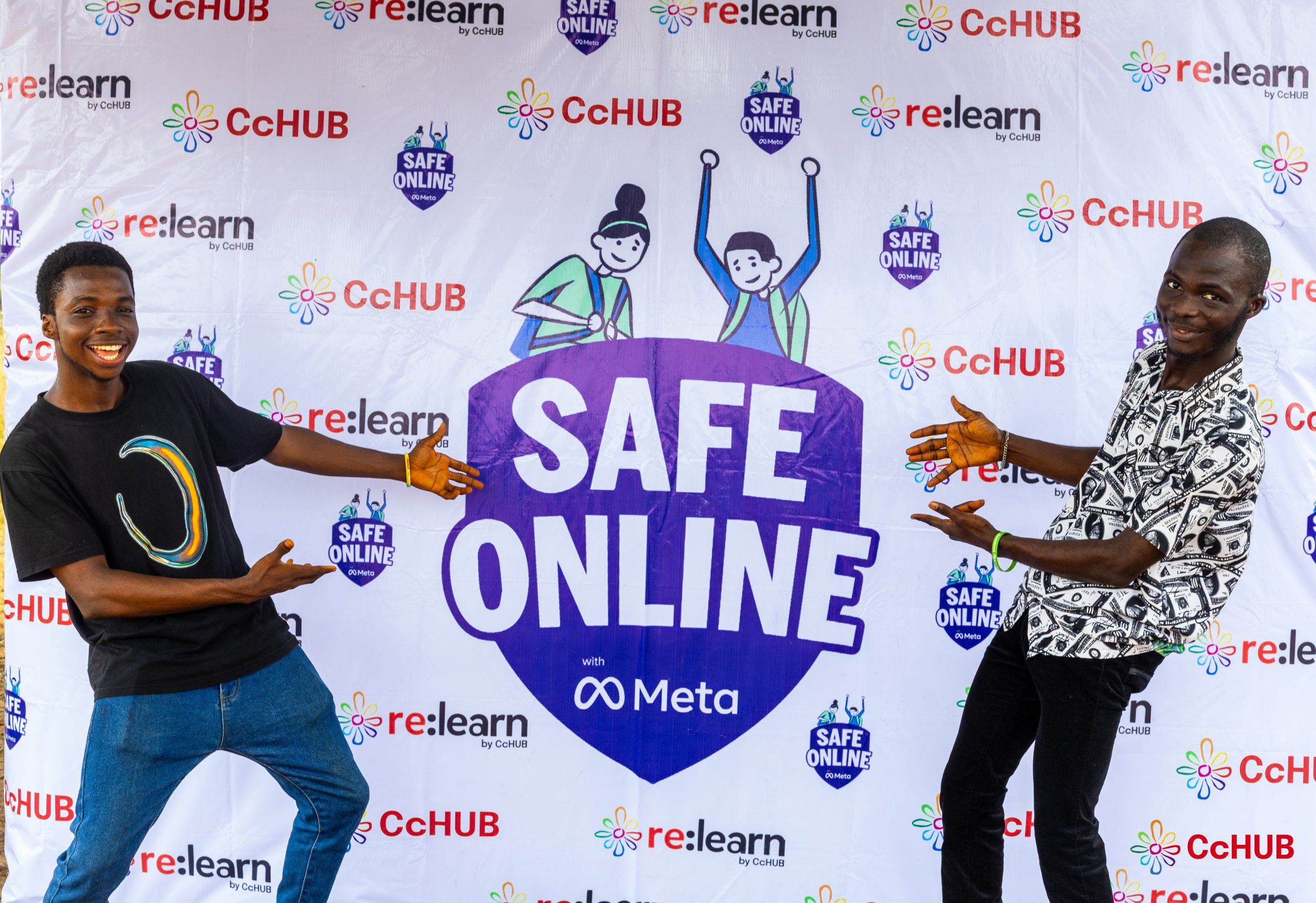
In the current digital world, students are not merely passive users of the internet; they are actively shaping their identities, producing content, expressing their views, and establishing connections that extend beyond their campuses.
Yet, amidst the selfies, streaming, and social scrolls, there’s a growing need to pause and ask: Are we safe online?
This is the question at the heart of Safe Online with META Campus Pop up, an engaging and immersive activation designed to equip students with essential digital literacy and online safety skills.

Why Campus Pop up?
Universities are hotbeds of digital activity. Students are heavily involved in the digital world, from online learning and virtual collaboration to social media advocacy to lifestyle documentation and business startups. However, access to the digital space does not always translate to a comprehensive understanding of it.

The Safe Online Campus Pop-Up was designed to tackle the irresponsible use of digital platforms by empowering students to navigate the online world safely and effectively. It achieved this through fun, experiential learning activities that engage and educate students in a memorable way.
Interactive booths, games, music, giveaways, and peer-led sessions transformed learning into a festival of insight, demystifying digital safety. We designed the Campus Pop up to bring fun learning to the campus community.
Learning That Feels Like a Festival

Imagine a vibrant scene in the heart of campus. Tents, a DJ, students enjoying games and quizzes, and booths with screens and giveaways. The energetic atmosphere created a fun, engaging space for learning. These and more were the vibes at the Lagos State University (LASU) and Tai Solarin University of Education (TASUED) Safe Online Campus Pop Up.

The Campus Pop-Up featured a variety of engaging elements designed to make digital safety fun and memorable for students:
- Interactive Training Booths
These were run by the CcHUB team, campus ambassadors, and student volunteers, offering hands-on learning experiences. - Gamified Quizzes
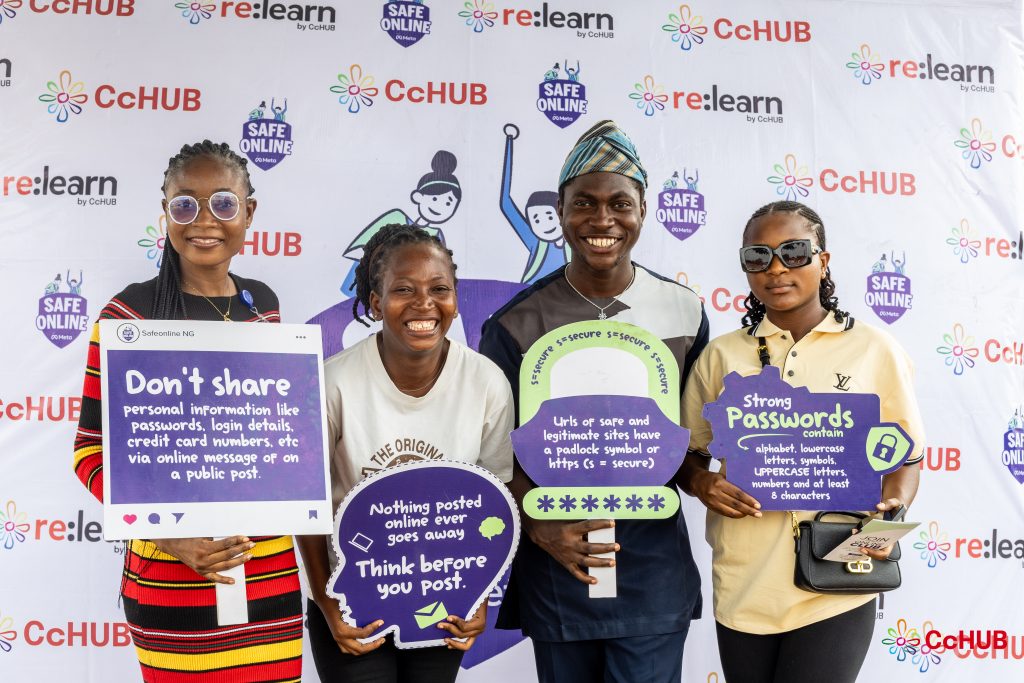
Students participated in quizzes designed to reinforce key safety information in an enjoyable, competitive format. - Visual Props and Placards
Creative visuals encouraged social sharing and helped spread awareness across campus. - Branded Rewards
Participants received branded items like tote bags, water bottles, T-shirts, and notebooks as incentives and souvenirs. - Real Stories & Relatable Examples
The Pop-Up used real-life stories to make digital topics more relevant and easier to understand for students.
The topics discussed include safe password creation, Wi-Fi safety, phishing scams, fake news, digital footprints, and cyberbullying.
The brief interactive sessions centered on providing participants with practical takeaways. This approach, combined with the peer-led structure, made the learning experience more relatable.
Impact in Action

We have witnessed the impactful results firsthand in schools such as TASUED and LASU. Students entered the booths with curiosity and left with knowledge, often surprised at their lack of awareness regarding digital security despite their constant online presence. The learning experience was both personal and practical, ranging from open discussions about cyberbullying (which many students initially didn’t recognize as problematic behavior) to the collective.
“It is safe to change my passwords regularly to protect my accounts. I now know that the “s” in “https” indicates that a site is secure” – Olayinka

“I learnt not to bully/harass people online, how to set password in a proper way, that free Wi-Fi is not always free, check the source and finally that not all information should be shared online” – Racheal
Conclusion
In today’s digital age, where being online is an integral part of life, understanding online safety is no longer optional but essential. It’s not just about avoiding risks; it’s about equipping oneself with the knowledge and skills to navigate the digital landscape confidently and successfully. Through the Safe Online with META Campaign we are committed to making online safety education engaging, accessible, and relevant for students, the future leaders of the digital world.


Recommendations for Organizing Campus Pop-Up Events
The Safe Online Campus Pop-Up events at LASU and TASUED revealed a strong appetite among students for engaging, relevant, and fun learning experiences.
For organizers planning similar campus activations, here are practical lessons and ideas that can enhance the reach, impact, and overall experience of your programs:
- Plan Around the Academic Calendar: Aligning with the university calendar ensures that events don’t clash with tests, lectures, or other major campus activities. This helps maximize student availability and overall participation.
- Collaborate Closely with Student Leaders: Engaging the Students’ Union and campus-based associations from the planning stage can significantly boost turnout, trust, and visibility. These leaders are gatekeepers of student mobilization and campus-wide buy-in.
- Partner with On-Campus Organizations: Working with student-run media houses, clubs, and organizations already active in advocacy or digital spaces can provide deeper reach and lasting impact. These partnerships also create a sense of continuity after the event wraps up.
- Customize for Campus Culture: Each school has its own energy and way of doing things. Tailoring the style of engagement, from music and games to content and delivery, ensures students truly connect with the message.
- Strengthen Communication Channels: Consistent and early communication with everyone involved, from school officials and volunteers to campus influencers, ensures smoother coordination, better synergy, and fewer last-minute problems.
- Expand Touchpoints Across Campus: Consider adding mobile elements, like volunteers moving around with placards or interactive sign-up stations, to reach students who may not initially come to the booths.
These strategies can help organizations and initiatives create impactful campus campaigns.
Leave a Reply