
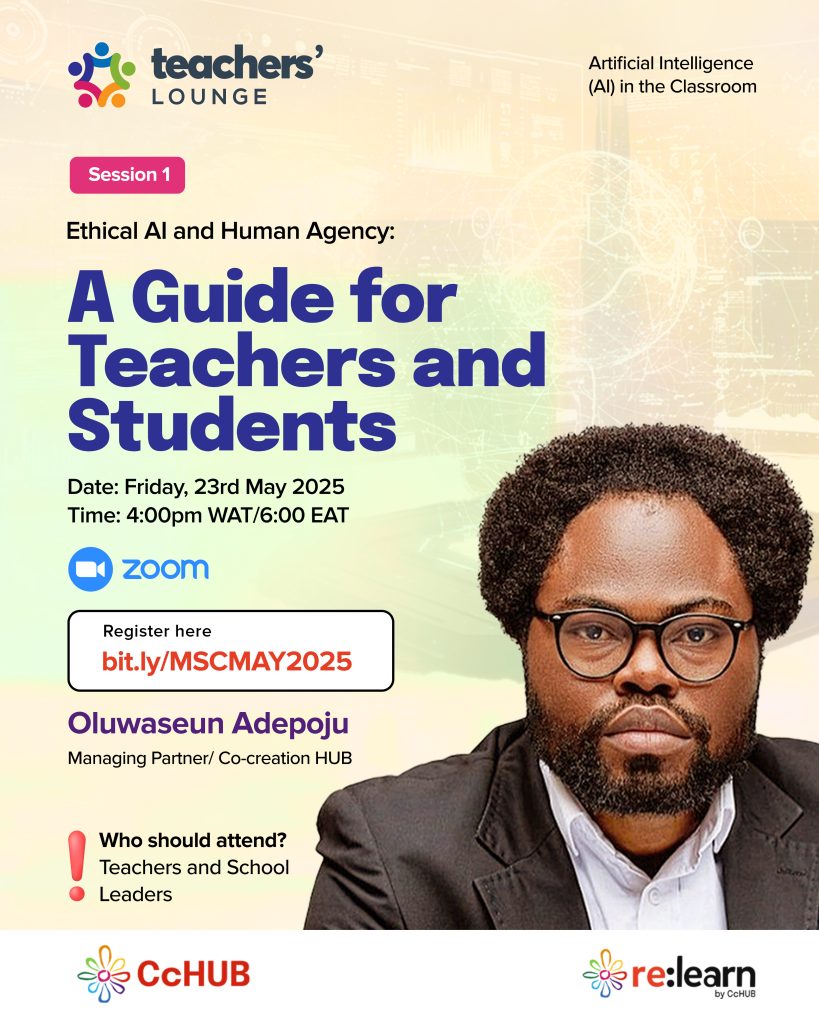
Artificial Intelligence (AI) is no longer a futuristic concept; it’s a present reality impacting various sectors, including education. Recently, the Teachers Lounge hosted a webinar on AI in the Classroom: Ethical AI and Human Agency facilitated by Oluwaseun Adepoju, a technology thought leader and Managing Partner at Co-Creation Hub.
The session brought together 110 teachers, online tutors, school leaders and administrators from Nigerian, Kenya and the United States to explore how AI can transform educational practices.
The webinar kicked off with an engaging icebreaker challenging participants to distinguish between real and fake headlines about AI in education. Headlines like “AI tool used to screen job applicants found to be biased against women” and “AI predicts student dropout risk with 90% accuracy” were revealed to be real. Conversely, the idea of a school district replacing all teachers with AI tutors or a robot principal running a public school in Japan were presented as fake, at least for now. This exercise highlighted the pervasive presence of AI and some misconceptions about its current capabilities.
Before diving deep, Seun took time to appreciate the invaluable work of teachers, emphasizing their role in shaping destinies and comparing their importance to that of God and parents. . A poem was read to honor their dedication and the “ministry of destiny shaping and making” they perform at every level, from primary to university. Drawing from personal experience, he shared a story about struggling with timed exams despite being a brilliant student capable of teaching peers. This personal anecdote underscored the need for personalized learning approaches, a concept that AI can significantly support today, unlike in the past.
Understanding AI: What It Is and Isn’t
AI can be thought of as human intelligence, but artificial, fundamentally lacking emotion and consciousness. It is data-driven, meaning its output depends on the data it’s trained on, and it’s capable of learning and constantly evolving based on new data. AI is a powerful tool for automation, simplifying repetitive tasks like grading multiple-choice exams quickly and efficiently. It is also widely applicable across various fields, including education.
However, it’s crucial to understand what AI is not. It is not human. It is not perfect and can make mistakes or “hallucinate,” providing consistent but incorrect information. Importantly, AI is not a replacement for human creativity or agency. It does not understand context, such as teaching a subject rooted in a specific local culture or language, as well as a human educator. It is also not self-sufficient.
AI as an Enabler: Changing Roles, Not Taking Jobs
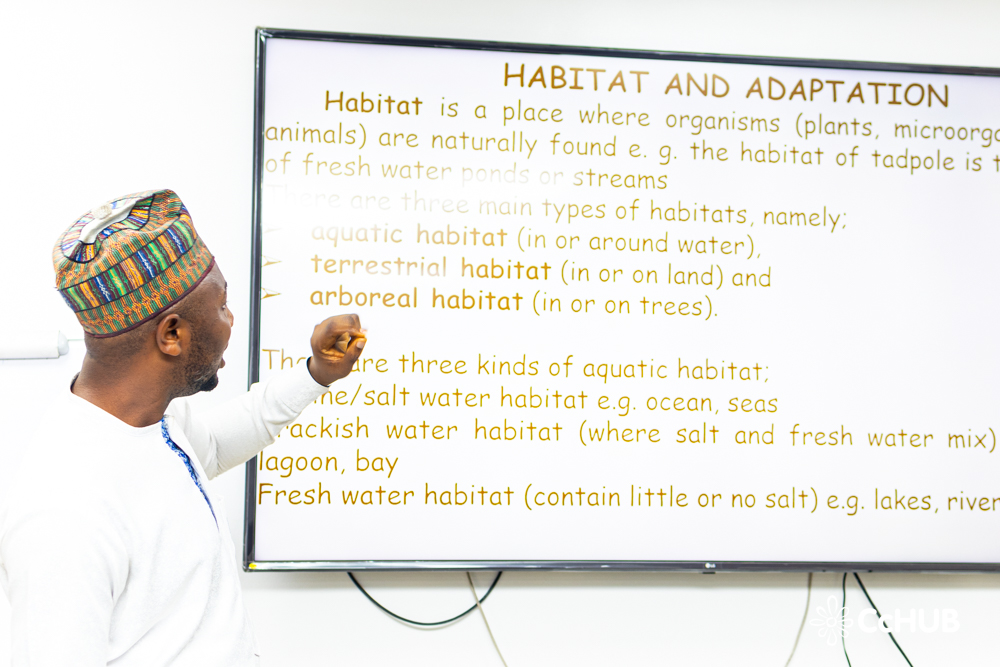
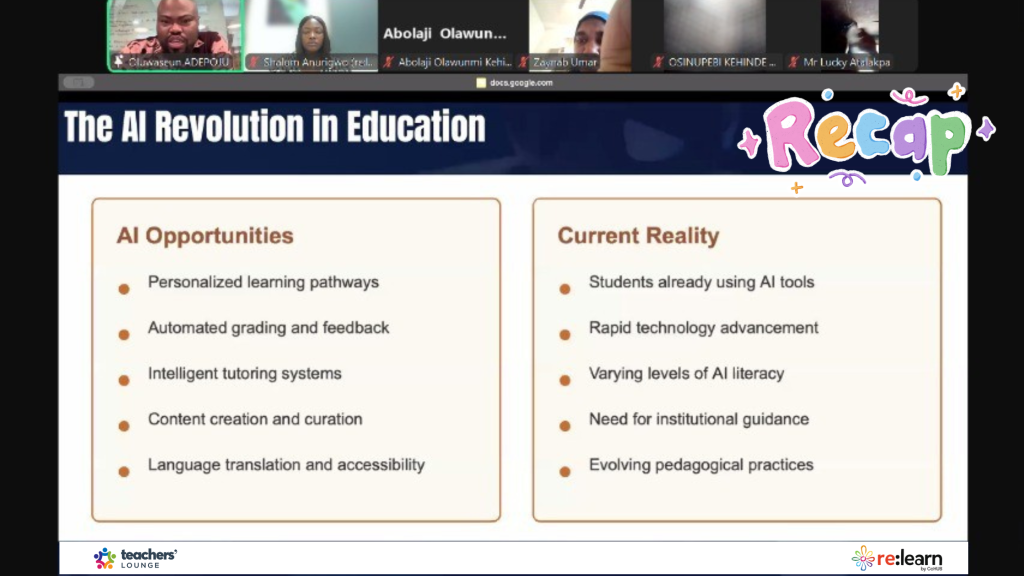
A core message of the webinar was that AI is not going to take teachers’ jobs; it is going to change their roles. AI is presented as a complimentary technology that can help teachers work smarter, be more effective, and achieve more with limited resources. The opportunities AI presents in education are significant:
- Personalized Learning Pathways: AI can help diagnose students’ learning styles and suggest different delivery modes and assessment pathways for the same curriculum, catering to visual, audio, graphical, or story-based learners.
- Automated Grading and Feedback: Mundane tasks like grading multiple-choice questions can be automated, freeing up teachers’ time for more complex tasks like evaluating essays and providing detailed feedback.
- Intelligent Tutoring Systems: AI can assist in developing tailored tutoring systems, particularly beneficial for students with special needs or those struggling with specific concepts.
- Content Creation and Curation: AI can quickly generate robust lesson plans, assessment suggestions, and even convert teaching ideas into engaging story formats, significantly reducing preparation time.
- Language Translation and Accessibility: AI can aid in contextualizing complex, foreign concepts in local languages (L1), potentially improving understanding in subjects like science and technology.
Navigating the Ethical Landscape
Embracing AI comes with ethical challenges that educators must navigate:
- Academic Integrity: Teachers need to redefine academic dishonesty in the age of AI assistance, distinguishing between using AI as a tool and presenting AI-generated work as solely one’s own. The focus may shift from penalizing AI use to teaching proper citation and ethical use.
- Privacy Concerns: As educational systems become more digitized, generating vast amounts of student data (performance, demographics, etc.), protecting this sensitive information is paramount.
- Biases and Fairness: AI systems can perpetuate existing societal biases if not built with diverse data. Examples include facial recognition failing for darker skin tones or systems unfairly grading students based on gender. Ensuring AI tools are fair and unbiased is critical
- Dependency Risk: Over-reliance on AI could diminish critical thinking skills. Educators must design tasks that require human insight.
- Digital Divide: Unequal access to technology and the internet can exacerbate existing inequalities, making it harder to implement AI benefits in low-resource settings.
- Transparency: Understanding how AI makes decisions is important, reinforcing the need for human oversight and critical evaluation of AI outputs.
Preserving Human Agency

The webinar emphasized the importance of preserving human agency for both students and teachers in the AI age:
- For students, this means having choices in learning methods, control over their personal data, and developing skills in critical evaluation of AI-generated content.
- For teachers, agency involves maintaining pedagogical decision-making, adapting curriculum based on student needs, exercising professional judgment (e.g., on age-appropriate content), and building crucial human relationships.
Rethinking Assessment in the AI Age

Given AI’s ability to generate text and retrieve information, traditional assessment methods need to evolve. The webinar suggested focusing on:
- Process-focused assessment: Evaluating the steps a student takes to arrive at an answer, not just the final output.
- Authentic tasks: Assigning real-world problems that require human insight and cannot be easily solved by AI alone
- Collaborative evaluation: Incorporating peer learning and group discussions.
- Reflection components: Asking students for reflective articles on what they’ve learned rather than simple definitions.
- Oral assessments: Requiring students to articulate their understanding by speaking, as AI cannot replicate genuine human communication and critical thinking in this format.
Practical Tips for the Classroom
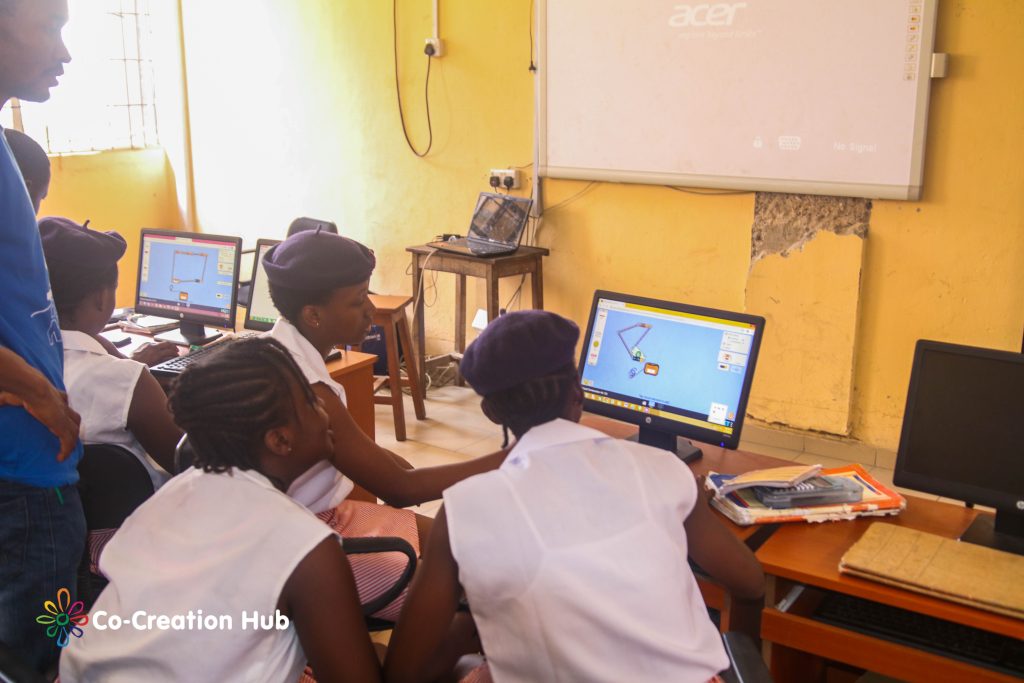
Integrating AI requires thoughtful planning. For teenage students (GSS3-SS3), allowing AI use in class can be beneficial if guided. A suggested approach is to break the lesson into three parts:
- Introduction: Teacher-led, building foundational understanding.
- Reading/Exploration: Students use AI with specific prompts provided by the teacher to explore concepts further.
- Reflection: Discussion and summary of what students learned from the AI outputs, facilitated by the teacher. AI should not replace the teacher’s initial instruction.
Addressing the challenge of low-resource settings, it was acknowledged that leveraging AI effectively requires investment in digital infrastructure.. While challenging, exploring options like shared devices or offline AI systems might offer partial solutions.. Crucially, school leaders must embrace AI and support teachers who want to innovate, recognizing its potential to enhance education rather than seeing it as a threat.
Learning to use AI, especially generative AI tools, is key. While specialized courses exist, starting with free resources and focusing on practical application for tasks like lesson planning, assessment, and data analysis is a great first step. AI tools are increasingly accessible, even on mobile phones, making it easier for teachers to integrate them into their daily work and professional development.
The webinar concluded with anticipation for the next session, which promises practical demonstrations of various AI tools that teachers can readily use.
This insightful session reinforced that AI is a powerful enabler for educators. By understanding its capabilities and limitations, navigating ethical considerations, and focusing on human agency and critical thinking, teachers can leverage AI to create more personalized, efficient, and engaging learning environments.
Leave a Reply